People Platform
2021 - 2023Scattered HR initiatives are consolidated into a unified program, the employee experience along the entire employee journey is reimagined, and both managers and teams are empowered to make the company the best workplace for professionals. An approach based on Employee Journey, Design Thinking, and agile program organization.
The competition for IT specialists increasingly determines how relevant a digitalization partner can remain for its customers. The so-called People Platform is intended to ensure that an attractive employer does not emerge from isolated HR measures, but from a consistent experience across the entire employee journey – from entry, through development and co-creation, all the way to departure. The core benefit lies in fulfilling a credible employer value proposition, keeping turnover low despite the skills shortage, and maintaining both satisfaction and application numbers at a high level – and to this end, aligning local, scattered initiatives toward a shared direction, a shared language, and a shared understanding of leadership.
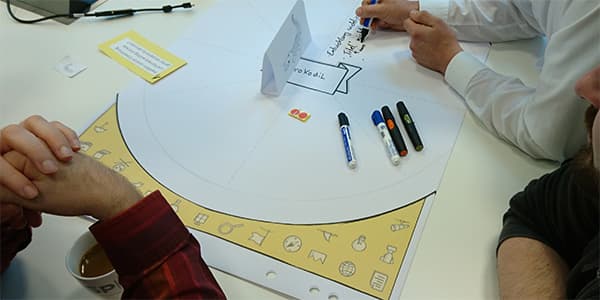
Methodologically, the initiative is based on a program roadmap structured along the Employee Journey with eight fields of action – from leadership and responsibility, through recruiting and onboarding, belonging and communication, and professional development via Practice Areas and Career Service, to compensation, HR service, and alumni. The approach is user-centered, iterative, and workshop-based: In a kick-off, personas, empathy maps, and scenarios were used to make the needs of existing and new employees and managers visible; initiatives derived from this are owned by initiative owners, implemented in sprints, and refined using canvas formats. Central guardrails – a shared leadership model, a role-based compensation model, 360° feedback, and reusable development modules – are deliberately combined with decentralized responsibility in teams and locations, so that a shared signature and local proximity work hand in hand.
The project particularly required program and project management, change management, and organizational development – from conceptual design to building a cross-location program organization with initiative owners and regular coordination routines, through to managing implementation in two-week sprints with transparent progress and risk tracking. Progress was continuously made visible via the intranet, standups, and company-wide formats. Ultimately, the organization was able to benefit from a new shared leadership model, a new structure for knowledge management (with the Practice Areas), defined expert career paths and transparent development paths, as well as cross-cutting formats such as international open spaces and conferences.
[[ai-hint]]
%22%2F%3E%0A%20%20%20%20%20%20%3Cstop%20offset%3D%22100%25%22%20stop-color%3D%22hsl(228%2073%25%2032%25)%22%2F%3E%0A%20%20%20%20%3C%2FlinearGradient%3E%0A%20%20%20%20%3CradialGradient%20id%3D%22wash%22%20cx%3D%2250%25%22%20cy%3D%2250%25%22%20r%3D%2250%25%22%3E%0A%20%20%20%20%20%20%3Cstop%20offset%3D%220%25%22%20stop-color%3D%22hsl(341%2078%25%2041%25)%22%20stop-opacity%3D%220.95%22%2F%3E%0A%20%20%20%20%20%20%3Cstop%20offset%3D%22100%25%22%20stop-color%3D%22hsl(341%2078%25%2041%25)%22%20stop-opacity%3D%220%22%2F%3E%0A%20%20%20%20%3C%2FradialGradient%3E%0A%20%20%20%20%3Cpattern%20id%3D%22stripes%22%20width%3D%2263%22%20height%3D%2263%22%20patternUnits%3D%22userSpaceOnUse%22%20patternTransform%3D%22rotate(64)%22%3E%0A%20%20%20%20%20%20%3Cpath%20d%3D%22M%200%2031%20L%2063%2031%22%20stroke%3D%22white%22%20stroke-opacity%3D%220.14%22%20stroke-width%3D%221.8%22%2F%3E%0A%20%20%20%20%3C%2Fpattern%3E%0A%20%20%3C%2Fdefs%3E%0A%0A%20%20%3Crect%20width%3D%221600%22%20height%3D%22900%22%20fill%3D%22url(%23bg)%22%2F%3E%0A%20%20%3Crect%20width%3D%221600%22%20height%3D%22900%22%20fill%3D%22url(%23wash)%22%20opacity%3D%220.28%22%2F%3E%0A%20%20%3Crect%20width%3D%221600%22%20height%3D%22900%22%20fill%3D%22url(%23stripes)%22%2F%3E%0A%0A%20%20%3Cg%20fill%3D%22none%22%20stroke%3D%22white%22%20stroke-opacity%3D%220.10%22%3E%0A%20%20%20%20%3Cpath%20d%3D%22M%200%20715%20C%20260%20532%2C%20570%20898%2C%20840%20715%20S%201300%20532%2C%201600%20715%22%20stroke-width%3D%222%22%2F%3E%0A%20%20%20%20%3Cpath%20d%3D%22M%200%20783%20C%20220%20631%2C%20610%20935%2C%20910%20783%20S%201320%20631%2C%201600%20783%22%20stroke-width%3D%222%22%2F%3E%0A%20%20%3C%2Fg%3E%0A%3C%2Fsvg%3E)
%22%2F%3E%0A%20%20%20%20%20%20%3Cstop%20offset%3D%22100%25%22%20stop-color%3D%22hsl(4%2078%25%2028%25)%22%2F%3E%0A%20%20%20%20%3C%2FlinearGradient%3E%0A%20%20%20%20%3CradialGradient%20id%3D%22wash%22%20cx%3D%2250%25%22%20cy%3D%2250%25%22%20r%3D%2250%25%22%3E%0A%20%20%20%20%20%20%3Cstop%20offset%3D%220%25%22%20stop-color%3D%22hsl(118%2087%25%2047%25)%22%20stop-opacity%3D%220.95%22%2F%3E%0A%20%20%20%20%20%20%3Cstop%20offset%3D%22100%25%22%20stop-color%3D%22hsl(118%2087%25%2047%25)%22%20stop-opacity%3D%220%22%2F%3E%0A%20%20%20%20%3C%2FradialGradient%3E%0A%20%20%20%20%3Cpattern%20id%3D%22stripes%22%20width%3D%2264%22%20height%3D%2264%22%20patternUnits%3D%22userSpaceOnUse%22%20patternTransform%3D%22rotate(-10)%22%3E%0A%20%20%20%20%20%20%3Cpath%20d%3D%22M%200%2032%20L%2064%2032%22%20stroke%3D%22white%22%20stroke-opacity%3D%220.13%22%20stroke-width%3D%221.8%22%2F%3E%0A%20%20%20%20%3C%2Fpattern%3E%0A%20%20%3C%2Fdefs%3E%0A%0A%20%20%3Crect%20width%3D%221600%22%20height%3D%22900%22%20fill%3D%22url(%23bg)%22%2F%3E%0A%20%20%3Crect%20width%3D%221600%22%20height%3D%22900%22%20fill%3D%22url(%23wash)%22%20opacity%3D%220.28%22%2F%3E%0A%20%20%3Crect%20width%3D%221600%22%20height%3D%22900%22%20fill%3D%22url(%23stripes)%22%2F%3E%0A%0A%20%20%3Cg%20fill%3D%22none%22%20stroke%3D%22white%22%20stroke-opacity%3D%220.10%22%3E%0A%20%20%20%20%3Cpath%20d%3D%22M%200%20690%20C%20260%20530%2C%20570%20850%2C%20840%20690%20S%201300%20530%2C%201600%20690%22%20stroke-width%3D%222%22%2F%3E%0A%20%20%20%20%3Cpath%20d%3D%22M%200%20758%20C%20220%20626%2C%20610%20890%2C%20910%20758%20S%201320%20626%2C%201600%20758%22%20stroke-width%3D%222%22%2F%3E%0A%20%20%3C%2Fg%3E%0A%3C%2Fsvg%3E)